Free shipping over 75 USD


Showing5 of 5 products


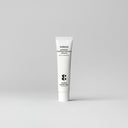

Barrier Strengthening Cream
STRENGTHENING, CERAMIDES & HYALURONIC ACID
$21.00
Minimum price
$21.00
Maximum price
$66.00
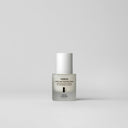

Super Exo Soothe Serum
SMOOTHING & DEEPLY HYDRATING, WITH EXOSOMES & NIACINAMIDE
$13.00
Minimum price
$13.00
Maximum price
$77.00
MORE ABOUT ECZEMA
Key contributing factors:
- Genetics
Individuals with eczema often have a family history of conditions such as asthma, hay fever, or sensitive skin. - Compromised skin barrier
The skin barrier may not function optimally, making the skin more prone to dryness and sensitivity. This may allow irritants, allergens, and microorganisms to penetrate more easily. - Immune system response
The immune system may react more strongly to external triggers, contributing to visible irritation and discomfort. - Environmental factors
Common triggers include allergens (such as pollen, dust, or pet dander), irritants (such as soaps or detergents), cold weather, low humidity, and stress. - Allergies and sensitivities
Some individuals may also experience sensitivities to certain foods or airborne allergens, which may contribute to flare-ups.
In summary, eczema is often linked to a combination of genetic predisposition, a weakened skin barrier, and heightened sensitivity to environmental factors.
Tips for eczema-prone skin
To help manage eczema-prone skin and support overall skin comfort, it is important to use gentle and hydrating skincare products.
- Choose a fragrance-free cleanser and avoid very hot showers, as heat may further dry out the skin.
- Moisturize regularly with creams containing ceramides and glycerin, which help support the skin barrier and retain moisture.
- Keep your routine simple and avoid products that may irritate sensitive skin.
It may also be helpful to consult a dermatologist or skincare professional to find products suited to your specific skin needs. Lifestyle factors such as stress and diet can also influence the skin. With the right care and consistency, it is possible to maintain more balanced and comfortable-looking skin.