Free shipping over 75 USD


Showing7 of 7 products
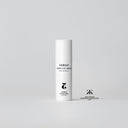

Super Eye Serum Bestseller
VISIBLY REJUVENATING, WITH RETINOL 8 & PEPTIDES
$40.00
Minimum price
$40.00
Maximum price
$66.00
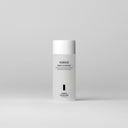

Deep Cleanse Bestseller
EXFOLIATING & BALANCING, WITH SALICYLIC ACID
$4.00
Minimum price
$4.00
Maximum price
$44.00
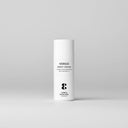
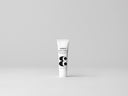

Night Cream Bestseller
VISIBLY REJUVENATING & REPAIRING, WITH RETINOL 8 & OAT
$27.00
Minimum price
$27.00
Maximum price
$105.00


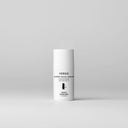
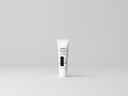

Super Facial Serum Bestseller
VISIBLY REJUVENATING, RETINOL 8 & PEPTIDES
$60.00
Minimum price
$60.00
Maximum price
$138.00

Balancing Day Cream
BRIGHTENING & VISIBLY REJUVENATING, RETINOL 8
$27.00
Minimum price
$27.00
Maximum price
$105.00


MORE ABOUT COMBINATION SKIN
Typical characteristics of combination skin:
- Oily T-zone: The areas around the forehead, nose, and chin (called the T-zone) tend to be oilier due to overproduction of natural oil. This can lead to a shiny surface, blackheads, and sometimes pimples in these areas.
- Dry or normal cheeks: The cheek areas can be visibly dry, tight, or normal. The skin here may feel soft and balanced, but dryness can sometimes occur, especially during winter months or in dry climates.
- Enlarged pores in the T-zone: Because of higher sebum flow, pores on the forehead, nose, and chin can be more visible and larger.
- Uneven skin texture: Combination skin can sometimes feel uneven in texture, with both visibly dry and oily areas on the face at the same time.
Causes of combination skin:
- Genetics: Skin type is often hereditary and can be influenced by genetic factors regulating skins' own natural oil production.
- Climate: Combination skin can change depending on weather and environment. The T-zone can get oilier in summer, while the cheeks tend to become drier in winter.
- Incorrect skincare: Using overly strong products on certain areas or applying heavy moisturizers on oily parts can affect the balance.
Skincare for combination skin:
- Cleansing: Use a mild, balanced cleanser that does not dry out the skin. Gel-based cleansers often work well because they clean effectively without drying out the already dry areas.
- Exfoliation: A gentle exfoliation can help remove old skin cells and keep pores clean in the oilier parts. BHA acids (salicylic acid) can be good for the T-zone, while AHA acids (lactic acid) can help hydrate the dry areas.
- Moisturizing products: Use a light, oil-free moisturizer in the T-zone and a richer moisturizer on the cheeks. A gel-based fluid or serum can provide enough hydration without overloading the oilier areas.
- Sun protection: Choose a light, hydrating sunscreen that balances the skin and reduces shine in the T-zone.
- Spot treatments: Use products with salicylic acid or vitamin A/retinol on oily areas and hydrating masks or serums on drier areas.
- Micellar water: A balancing and cleansing micellar water can help even out the skin’s pH and control oil production without drying out the dry areas.
Challenges with combination skin:
Because different parts of the face have different needs, you may need to tailor your skincare routine for different areas. Sometimes this means using different products on different parts of the face — for example, a mattifying product in the T-zone and a richer moisturizer on the cheeks.
By carefully choosing products that suit both dry and oily areas, you can keep your combination skin balanced and healthy.